
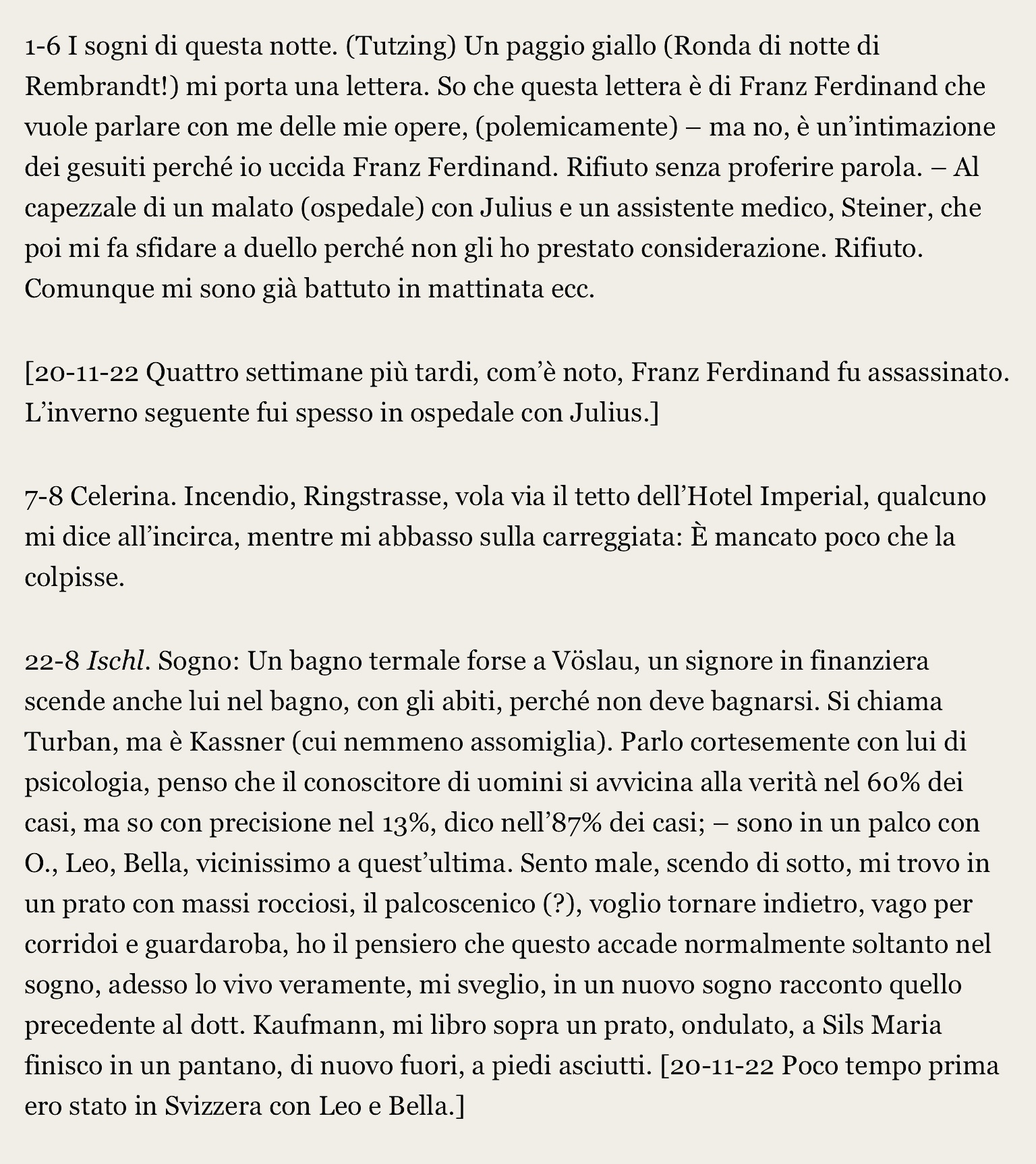
Il libro raccoglie i quaderni in cui lo scrittore austriaco ha annotato per oltre cinquant’anni i suoi sogni notturni, in cui compaiono anche molti dei personaggi che animavano il mondo culturale viennese fra la fine del diciannovesimo e l’inizio del ventesimo secolo. Quelle che seguono sono le pagine relative all’anno 1914. Schnitzler aveva un particolare interesse per i sogni e un suo racconto sul tema – “Doppio sogno”, del 1925 – ha ispirato l’ultimo film di Stanley Kubrick, Eyes Wide Shut, nel 1999.
Un cinema non convenzionale, volutamente manierista, dove tutto verte sulla potenzialità dell’amore inespresso. Questo è In the mood of love di Wong Kar Wai, non recente, datato 2000, il cui titolo originale cantonese è Fa yeung nin wah, che tradotto significa “l’età della fioritura”.
Hong Kong, 1962. Chow Mo-wan (Tony Leung), caporedattore di un giornale locale, si trasferisce con la moglie in un nuovo edificio. Lo stesso giorno, la segretaria Su Li-zhen (Maggie Cheung) trasloca con il marito nello stesso palazzo, proprio accanto all’appartamento di Chow. Di lì a poco, Chow e Su scoprono che i loro rispettivi coniugi hanno una relazione clandestina. Tristi e feriti, i due decidono di collaborare per cercare di trovare una spiegazione all’infedeltà e si ripromettono di non diventare mai come loro. Tuttavia, Chow e Su sviluppano lentamente un’empatia reciproca e finiscono per innamorarsi lo stesso. Il loro rapporto si tramuta così in una storia d’amore non convenzionale.
La narrazione si snoda in un susseguirsi di emozioni, dando vita a un intricato mosaico in cui si mescolano i sentimenti umani. Il regista utilizza con maestria la macchina da presa per immortalare la ricchezza di emozioni sullo schermo, fino a renderle quasi tangibili. Ne scaturisce un ritratto nostalgico di un’epoca lontana. Parallelamente, Wong Kar Wai erige un tributo emotivo all’universalità dell’amore che attraversa ogni spazio e tempo.
Ogni singola inquadratura di In the Mood for Love è come un dipinto, composto da cravatte e borsette, zuppa di sesamo e camere invase dal fumo di sigaretta. Ogni indumento indossato dalla signora Chan pare un pezzo d’arte pregiata e i suoi abiti contribuiscono a scandire il flusso del tempo insieme alla musica volutamente ripetitiva.
Per chi non ama i film romantici..
An unconventional cinema, deliberately mannerist, where everything is focussed on the potential of unexpressed love. This is In the mood of love by Wong Kar Wai, not recent, dated 2000, whose original Cantonese title is Fa yeung nin wah, which translated means "the age of flowering".
Hong Kong, 1962. Chow Mo-wan (Tony Leung), editor-in-chief of a local newspaper, moves with his wife to a new building. On the same day, secretary Su Li-zhen (Maggie Cheung) moves with her husband to the same building, right next to Chow's apartment. Soon, Chow and Su discover that their respective spouses have a clandestine relationship. Sad and hurt, the two decide to collaborate to try to find an explanation for infidelity and promise themselves never to become like them. However, Chow and Su slowly develop mutual empathy and end up falling in love anyway. Their relationship thus turns into an unconventional love story.
The narrative unfolds in a succession of emotions, giving life to an intricate mosaic in which human feelings are mixed. The director masterfully uses the camera to immortalise the richness of emotions on the screen, until they are almost tangible. The result is a nostalgic portrait of a distant era. At the same time, Wong Kar Wai makes an emotional tribute to the universality of love that crosses every space and time.
Every single shot of In the Mood for Love is like a painting, composed of ties and handbags, sesame soup and rooms invaded by cigarette smoke. Every garment worn by Mrs. Chan looks like a piece of fine art and her clothes help to mark the flow of time along with the deliberately repetitive music.
For those who don't like romantic movies..

È il 19 novembre 1914 quando In dieser großen Zeit, In questa grande epoca, di Karl Kraus è pronunciato al Wiener Konzerthaus. Un estratto:
Il progresso vive per mangiare, e a volte dimostra addirittura di poter morire per mangiare. Sopporta ogni pena al fine di essere felice. Volge il pathos verso le premesse. L’estrema affermazione del progresso ha decretato ormai da tempo che la domanda si regoli sull’offerta, che si mangi perché sia un altro a diventare sazio, e che il venditore ambulante interrompa persino i nostri pensieri offrendoci cose di cui non abbiamo alcun bisogno. Il progresso, sotto i cui piedi l’erba si mette a lutto e il bosco diventa carta da cui crescono fogli di giornale, ha subordinato la vita ai viveri, trasformando noi stessi nelle viti di ricambio dei nostri utensili. Il dente dell’epoca è cavo; poiché quando era sano giunse la mano che vive di otturazioni. Là dove si è spesa ogni forza per togliere ogni asperità alla vita, non rimane nulla che ancora necessiti di essere protetto. In quei luoghi l’individualità può vivere, ma non può più nascere. Potrà forse, coi suoi desideri nevrotici, far comparsa come ospite in zone dove, nel comfort e nella prosperità, circolano avanti e indietro automi privi di volto e di saluto.
Der Fortschritt lebt, um zu essen, und beweist zuzeiten, daß er sogar sterben kann, um zu essen. Er erträgt Mühlsal, damit es ihm wohl ergehe. Er wendet Pathos an die Prämissen. Die äußerste Bejahung des Fortschritts gebietet nun längst, daß das Bedürfnis sich nach dem Angebot richte, daß wir essen, damit der andere satt werde, und daß der Hausierer noch unsern Gedanken unterbreche, wenn er uns bietet, was wir gerade nicht brauchen. Der Fortschritt, unter dessen Füßen das Gras trauert und der Wald zu Papier wird, aus dem die Blätter wachsen, er hat den Lebenszweck den Lebensmitteln subordiniert und uns zu Hilfsschrauben unserer Werkzeuge gemacht. Der Zahn der Zeit ist hohl; denn als er gesund war, kam die Hand, die vom Plombieren lebt. Wo alle Kraft angewandt wurde, das Leben reibungslos zu machen, bleibt nichts übrig, was dieser Schonung noch bedarf. In solcher Gegend kann die Individualität leben, aber nicht mehr entstehen. Mit ihren Nervenwünschen mag sie dort gastieren, wo im Komfort und Fortkommen rings Automaten ohne Gesicht und Gruß vorbei und vorwärtsschieben.
